
Viral Impact: Exploring Colonialism and Pandemic in Indigenous Art
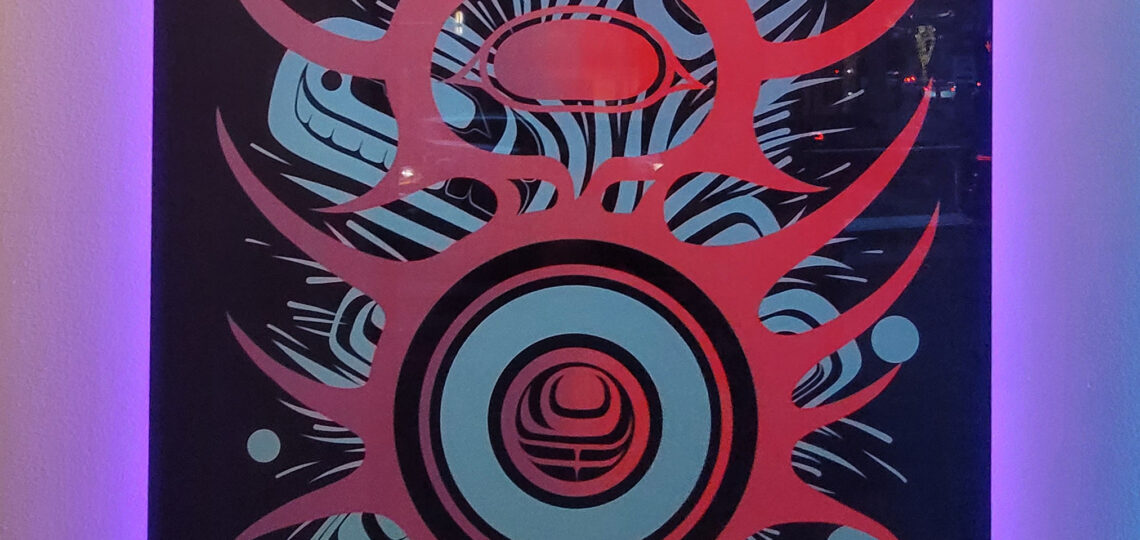
This tlingit pandemic art is part of the Neon Series, currently installed at 5th and Pike in downtown Seattle until May, 2025 as part of a partnership with Seattle Restored. Make sure to check out the others in the series. Merchandise featuring these are available in the store. If interested in purchasing the large format with neon lighting, contact me through the my online contact form, Instagram or Facebook
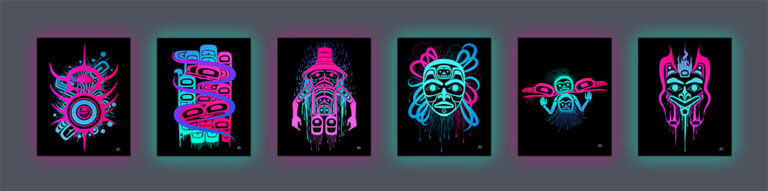
Full Neon Series featuring all 6 stunning artworks of native resilience
This is the world of “Viral Impact,” a work of tlingit pandemic art that is raw, powerful, and deeply connected to the history of tlingit pandemic art and colonial oppression through the more recent pandemic. This tlingit pandemic art has both a personal and historical story to tell.
“Viral Impact” is a mirror, reflecting the devastating effects of colonialism on Indigenous peoples while also drawing a parallel to the modern-day pandemic and its disproportionate impact on communities that have been marginalized throughout history. This piece isn’t just a reflection; it’s a call to awareness, a reminder of the continuous struggles that Indigenous communities face, and a testament to their resilience. In some ways, it is also a recognition of the ongoing struggle that we all face in this modern world. It is an attempt to use the medium of art to convey the true impact of our histories.
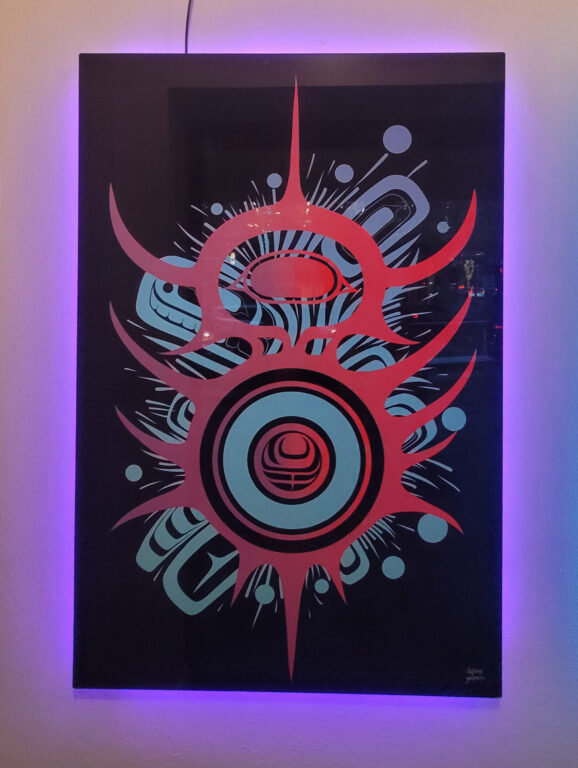
Viral Impact installed with neon lighting
Tlingit Pandemic Art: A Stark Canvas of Oppression
The visual elements of “Viral Impact” are intentional and striking. A deep, almost ominous black background greets the viewer, a color that both attracts and unsettles. This background isn’t just a backdrop; it’s the stage upon which the narrative unfolds, setting a tone of unease and a sense of the unknown. It evokes the feeling of a void, a darkness that can represent both the absence of what was lost and the fears that lie hidden within it. In its almost complete lack of detail, it encourages us to focus our attention on what is at hand, to delve into the details of the central figure and to see them for all that they are.
At the center of the piece, a figure emerges, adorned with a crown-like structure. This is no ordinary crown; it is a stark reminder of the Imperial crowns of England and Spain, symbols of colonization, authority, and dominance. This crown is not worn with pride, but instead, with a weight that speaks volumes of the burden that it carries. The spikes emanating from the crown echo the insidious nature of the infamous coronavirus spike proteins, drawing a direct line between historical oppression and a modern-day pandemic. This association isn’t accidental; it’s a deliberate attempt to show how past actions in tlingit pandemic art and injustices have created vulnerabilities in the present. It is an attempt to bring to light what colonial powers hid in plain sight, and to make all of us confront the painful parts of our history.
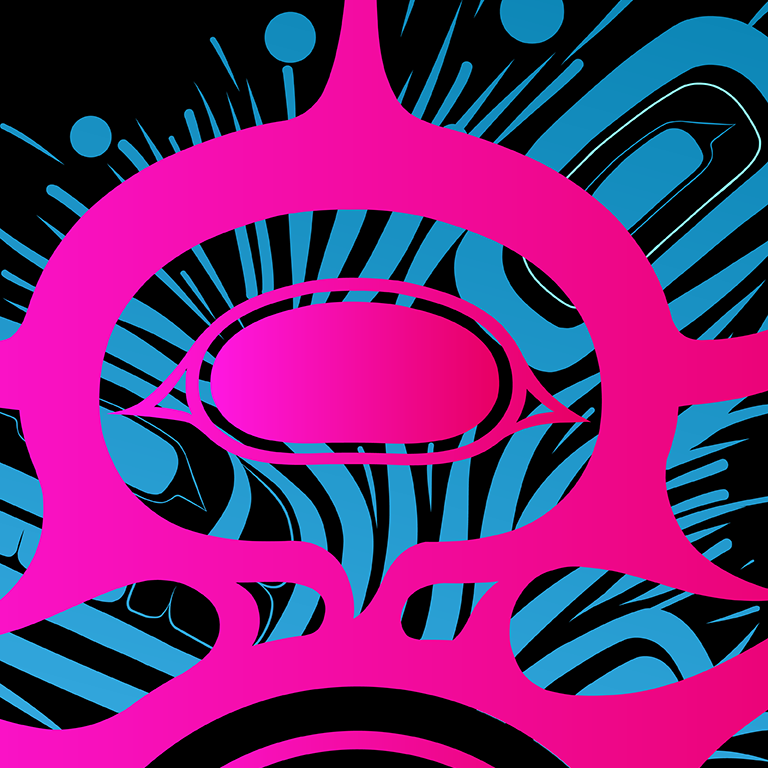
Showing the virus with a single eye representing its agency
The Eye of Surveillance: Colonial Control in Formline
The figure’s head features a single eye, placed in the center. This eye is more than just a visual element – a symbolic representation of the surveillance and control that colonial powers imposed, and continue to impose, upon Indigenous peoples. It is meant to create the feeling of always being watched, a sense that someone scrutinizes and judges every action. The eye also speaks to the intentional and calculated nature of colonial powers and their deliberate, conscious actions to dominate and control, actions taken in plain sight without regard for who they hurt. This single eye stands as a chilling reminder that these actions were not merely incidental but intent and purpose drove them.
The Cyan Forms: Tlingit Figures Under Pressure
Surrounding the central figure is a cyan array of forms, scattered and strained, their tension creating an emotional response that speaks volumes of the weight that they carry. These forms appear unwashed and chaotic, almost as if they are under extreme pressure, reflecting the pressures and disruptions that have faced Indigenous communities throughout history. They include ovoids, spirit faces with mammalian features, and puffin beak figures, all representative of the northern northwest coast style that the Tlingit people heavily influenced. They all seem to be in distress, further amplifying the emotional impact of the piece and giving the viewer a deeper understanding of the weight that this history has had on those who have borne its brunt. The cyan color also adds a sense of coldness, and even distance, emphasizing the disconnection and fragmentation experienced by these communities.
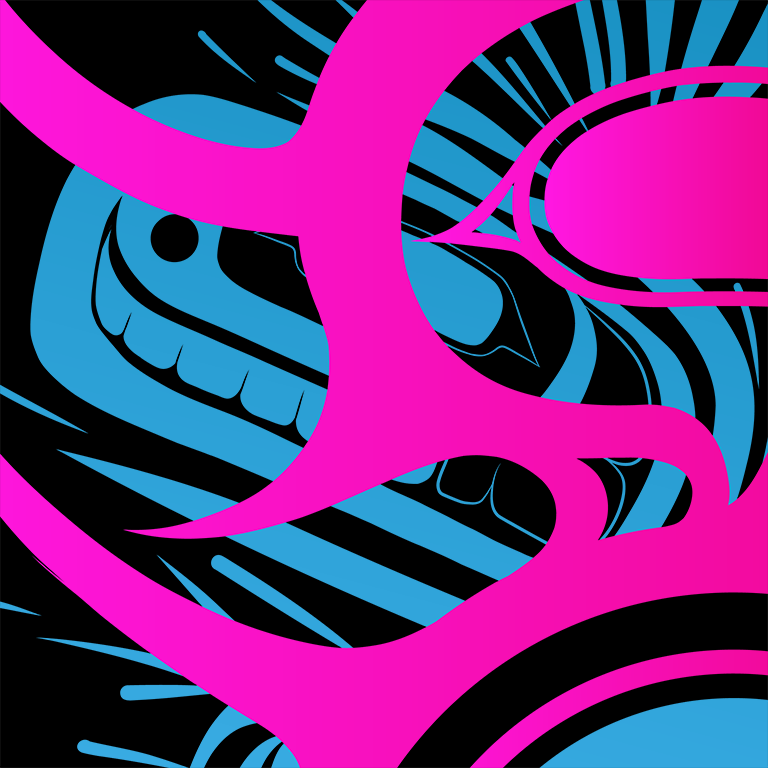
The virus smashing the traditional embellished ovoid form featuring a profile face
The Belly of Meaning: Unveiling Layers of Impact
The central figure’s belly contains a series of concentric rings, which disrupts the traditional formline principle of non-concentricity that many are used to seeing. This disruption is intentional; it challenges viewers to confront their understanding of what counts as traditional art. It emphasizes the complexity of the layers of impact that both the virus and colonialism have had on those who are most vulnerable.
These rings symbolize the layers of impact and influence, suggesting that the effects of both the virus and colonialism are multifaceted and complex. Both also highlight that the effects of these actions are not isolated but rather reverberate out, touching each aspect of the community’s life and wellbeing. The distorted central “formline” circle underscores the ways that Indigenous art and culture have been misunderstood, misinterpreted, and appropriated by outsiders. This is an important point, because it asks us to examine how historical injustice permeates all levels of society. The disruption of the traditional formline isn’t just aesthetic; it’s a commentary on the cultural appropriation that has often accompanied colonial practices and how it has been used to devalue Indigenous culture.
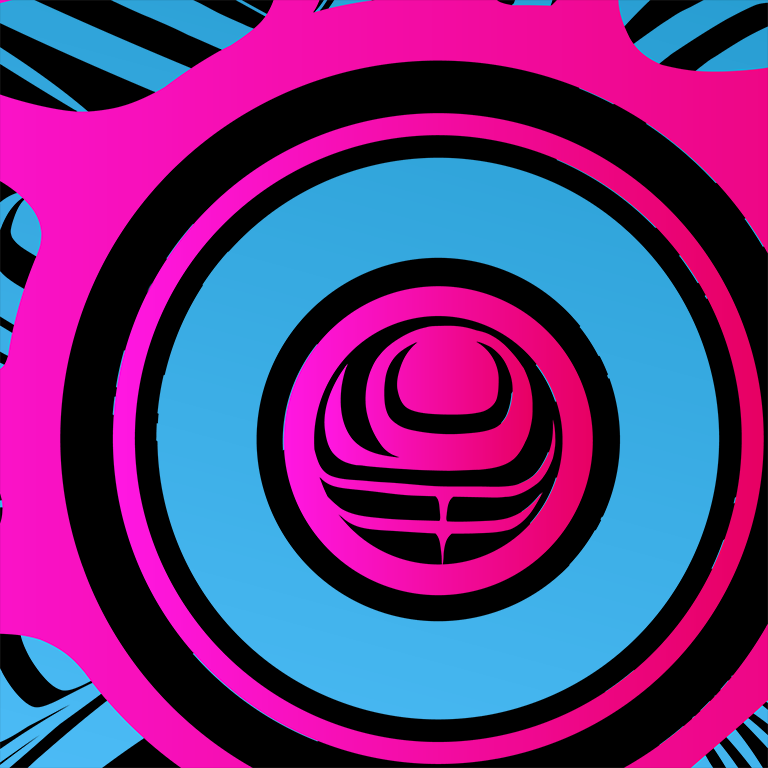
Concentric rings and nonconforming formline elements within the virus belly
Concentric Rings: Ripples of Colonial Impact
The use of concentric rings also hints at the complex interplay of influence between colonial powers, the modern-day pandemic, and their effects on Indigenous communities. It asks us to recognize that while the events are separated by time, their impact is just as destructive, and both carry the same sense of deep and painful injustice. It is this combination that truly shows the depth of meaning behind the piece. The rings show the ripple effects of such acts, not as isolated events, but as pieces of a long, painful history of colonialism and marginalization.
Symbolism: A Language of Truth and Resilience
The symbolism in this tlingit pandemic art work, “Viral Impact” is a language of truth and resilience. This tlingit pandemic art represents the modern virus’ impact on society, specifically showing how tlingit pandemic art confronts the plight of the Indigenous peoples of the United States, highlighting the devastation it unleashed. This speaks directly to the ongoing historical oppression, an oppression that continues into our present day. It directly parallels the historical viral infections westerners brought, and illustrates how these infections decimated populations before further western exploration.
The Magenta Figure: Colonialism as a Virus
The magenta figure, with its ominous presence and spike-like crown, serves as a visual representation of the virus itself and all that it stands for, while the surrounding traditional forms symbolize the cultural heritage the pandemic threatens and those that came before it.
Viral Impact extends this metaphor to represent colonialism itself as a virus that infected and misrepresented Indigenous cultures. Concentric rings and the central form symbolize the extraction and distortion of native culture by colonizers, emphasizing the ongoing challenges native artisans face when combatting non-native appropriation. Colonial damage is not just about the stealing of cultural artifacts but also the systematic attempt to erase their cultural identities and replace them with their own.
Colonialism as a Virus: Embedded and Difficult to Eradicate
The idea of colonialism as a virus suggests that its impact is not only widespread and destructive but also deeply embedded and difficult to eradicate.
Furthermore, the single eye of the central figure speaks to the implications of imperialism and consciousness. It reflects the imperial ambitions of Western colonizers and the deliberate, conscious nature of their actions. It highlights the calculated and intentional efforts of colonial powers to dominate and control Indigenous populations. This is important because it highlights that this was not an accidental occurrence but a deliberate and conscious effort of those in power. The single eye not only symbolizes surveillance but also the myopic vision of the colonizers, who often failed to understand or respect the cultures they encountered.

Spike proteins of the virus as it shatters the traditions of Tlingit formline
Despite all this, and all the pain that is contained within this piece, the overwhelmed and shattered forms in the background also speak to the cultural resilience of Indigenous people, a testament to the strength of those communities. Despite the ongoing hardships and challenges, the traditional forms and symbols still reflect the enduring strength and adaptability of Indigenous people. They stand as a reminder that their traditions remain standing, not destroyed, and despite the ongoing pressures that they are under, they will continue to find ways to adapt and survive. Their resilience stands as a testament to their ability to rise above, time and time again, despite all the hardships they have faced.
An Invitation to Engage and Reflect
By presenting a visually striking and symbolically rich piece, “Viral Impact” encourages viewers to engage deeply with its themes. The piece serves as an invitation to reflect and interpret the many layers of meaning, fostering a dialogue about history, culture, and resilience. This engagement matters for promoting awareness and understanding of the issues faced by Indigenous peoples, and I hope that it creates an openness to examine how our histories impact our present day lives. It is in understanding these past pains that we can move forward into a better future.
This piece asks us to consider how our actions impact others, and how historical injustice continues to affect those that we have marginalized. And more importantly, it asks us to find the common threads that connect us all, and work together to create a more equitable and accepting world for all.

T-shirts available for purchase through the store
Final Thoughts: A Call to Awareness
Creating “Viral Impact” was a profound experience for me, and the message that I tried to convey is one that is both personal and relevant. This piece is a mirror, reflecting our shared past and encouraging us to consider the long lasting impact of historical oppression. By using these powerful symbols, it speaks to the need for acknowledgement of past wrongs and a commitment to do better for all. It is my hope that it will spark important conversations about the ways in which our history continues to affect us today.
I look forward to sharing more of this series with you and hearing your thoughts. May “Viral Impact” serve as a reminder of the ongoing challenges faced by Indigenous communities and a testament to their enduring strength, and may it inspire us all to act for a more just future.
Next Art Description: Neon Series: Confluence
Head back to the Neon Series Overview Blog
Check out the awesome Neon Series merchandise available in the store